Uptime is a promise made in bad weather.
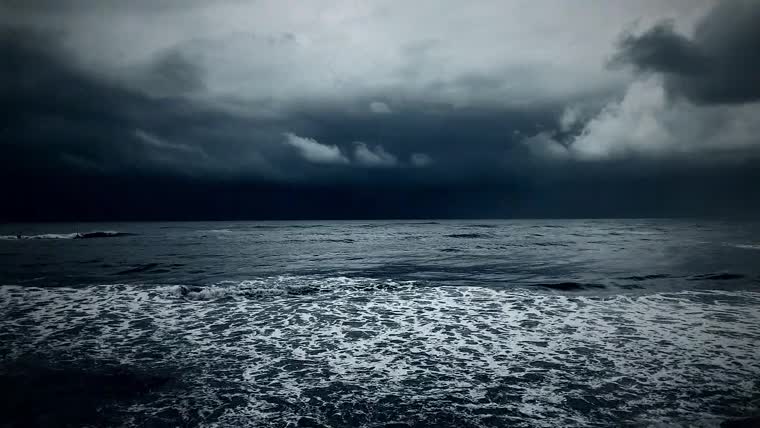
Rotors stop for three reasons: salt, torque and the sea. We are on the water for all three — with ropes, with a deck crane, and with a forecast we do not argue with.
See the numbers →What a season of maintenance actually looks like
What we are allowed to do, and how many of us can do it
Four numbers decide whether a turbine turns tomorrow
Sources. 1.50 m — the operational limit for bow-landing crew transfer, from the 2026 review of CTV transfer safety in Ocean Engineering and from ABPmer's work on weather downtime. 97 % — technical availability guaranteed in long-term service agreements published by turbine manufacturers, reported by Windpower Monthly. 20–30 % — the operations and maintenance share of levelised cost of energy, industry reporting. 219 / 285 days — weather-workable days for a CTV and an SOV in the southern North Sea; this one is an industry estimate, not an audited number, and we say so rather than quoting it like a fact. Certification requirements (GWO, IRATA, ISO) are the real published schemes. The counts against them on this page are invented, like the rest of the company.
From the water
Nobody goes up alone
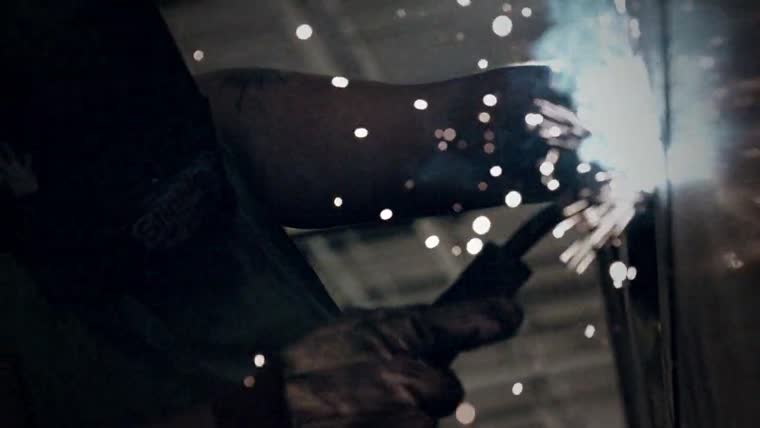
Two on the rope, one on rescue, one on the radio. Every campaign starts with a rescue plan written for that specific turbine, not for turbines in general.
 →
→
We train our own
GWO basic safety every two years, technical modules on top, rope access re-certified every three. Ninety-one of our technicians started with no offshore hours at all.
 →
→
Tell us the window you have.
Scopes, availability contracts, emergency call-outs. Tell us the site, the turbine model and the window you have.
ops@keldvik.example →